

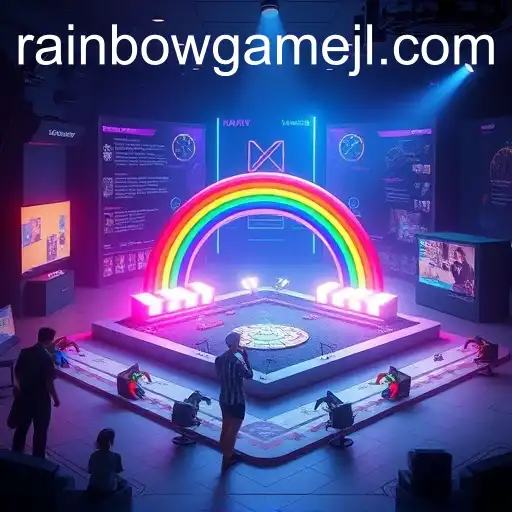

In the sphere of economics, a monopoly represents a market condition where a single company or entity dominates the entire market. This entity has significant control over the supply of a particular product or service, reducing the ability of competitors to enter the field. The influence of monopolies can lead to varied effects on market pricing, consumer choice, and innovation.
A monopoly is characterized by an absence of competition, which can result in higher prices and inferior products or services. The lack of alternative options may lead consumers to pay more than they would in a competitive market. Additionally, a monopoly can stifle innovation, as there is less need to improve products when there is no competition to surpass.
The gaming industry has witnessed several trends influenced by monopolistic practices. The concept of monopoly becomes significant in discussions about large gaming firms that hold considerable sway over the market. The keyword "rainbowgame" comes into relevance when examining how certain gaming giants control specific sub-genres or technological advancements.
Historically, companies like Atari in the 1970s and Nintendo in the 1980s had monopolistic control over specific segments of the gaming industry. Their dominance shaped the trajectory of gaming technology and popular culture. These companies held significant market share, influencing game distribution, pricing, and availability.
The term "rainbowgame" serves as a metaphorical representation of diversity within gaming which is at times hindered by monopolistic practices. Current scenarios show that certain large corporations often acquire smaller innovative companies, which can diminish diversity within the industry. This limits the variety of gaming experiences available to consumers, reducing the "rainbow" of options once available.
When monopolies persist in the gaming industry, they possess the power to either foster or hinder innovation. On one hand, financial strength can support research and technological advancements. On the other hand, control over market dynamics may lead to less innovative products, as the dominant player can dictate industry standards without facing competition.
Consumers benefit when monopolistic barriers are broken, as more competition can lead to better products and services. Increased competition fosters a more "rainbow-like" palette of options for consumers, promoting innovation and lowering prices.
Policymakers and industry regulators often implement strategies to reduce monopolistic dominance. These include antitrust laws, encouraging new market entrants, and promoting fair pricing practices. Ideally, these efforts should enhance the landscape of the "rainbowgame" industry.
The presence of monopolies in the gaming industry highlights an ongoing challenge. The "rainbowgame" metaphor speaks to the richness and diversity that can be achieved when multiple entities contribute to market dynamics. It is essential to balance the power of major players with opportunities for innovation and variety, ensuring that the gaming industry remains vibrant and diverse for future generations.
Explore the captivating world of 'IslandsAdventure', the highly anticipated 'rainbowgame'. Discover its unique features, engaging rules, and the current trends making this game a must-play.
Explore the vibrant world of MayanEmpire, where history meets vibrant strategy in a captivating digital escape.
Explore LuckyMacaw, the thriller in the world of gaming, where colors and strategy intertwine to create a captivation gaming journey. Dive into the detailed description, attractive features, and engaging rules of this spellbinding game.
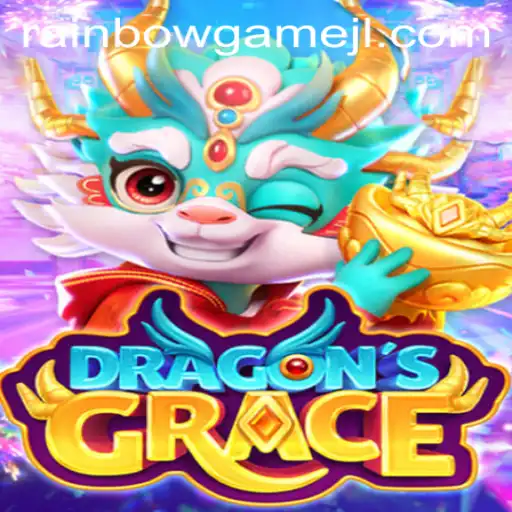
Explore the magical universe of DragonsGrace, the captivating realm of the RainbowGame where players embark on quests and conquer mystical challenges.

Discover the captivating world of JungleKings, an engaging game that is taking the Rainbowgame community by storm. Learn about its immersive gameplay, innovative features, and strategic rules in this comprehensive guide.

Explore the captivating world of TreasuresnipesChristmas, a unique game that combines holiday cheer with strategic gameplay under the theme of 'rainbowgame.'
